

Philippine automotive icon takes its 78-year legacy global, starting with Nigeria
In a defining milestone for Philippine innovation and legacy, Francisco Motors—the country’s first and 100% Filipino-owned automotive manufacturer—has signed a historic agreement to export electric jeepneys and hydrogen fuel cell-powered tricycles to Benue State, Nigeria. This initiative launches a pioneering sustainable transport program on the African continent, marking a new chapter for Filipino excellence in global mobility.
Why Africa Needs Filipino Transport Solutions
Nigeria, Africa’s most populous nation, has long struggled with underdeveloped transportation systems. With car ownership still limited, most citizens rely on informal, inconsistent, and often unsafe transport modes. As cities rapidly expand, infrastructure and public transit must evolve to meet rising demand.
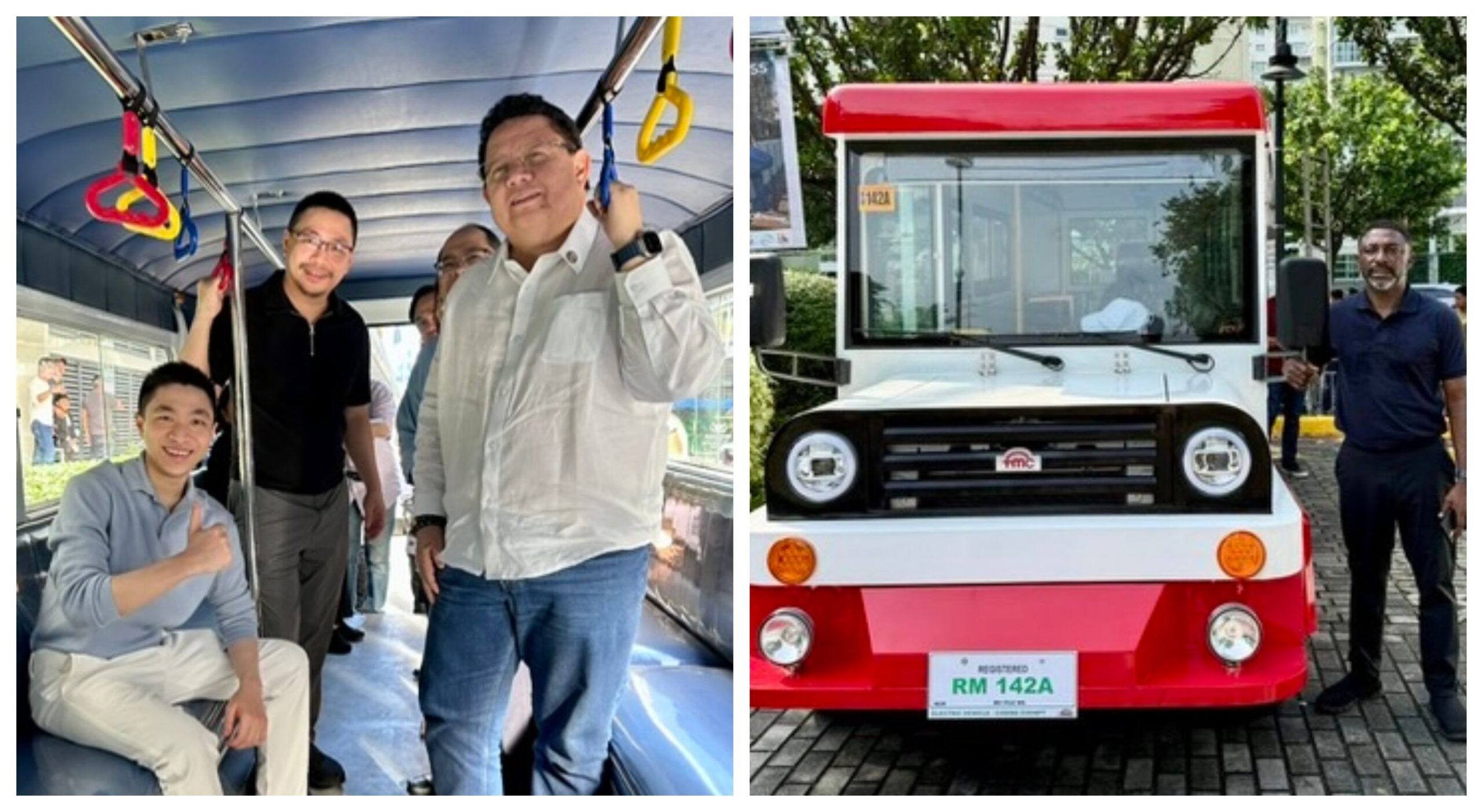
Francisco Motors’ modern jeepneys and H-Trikes offer an affordable, safe, and climate-friendly solution. Unlike their postwar predecessors, today’s jeepneys come equipped with car-grade ignition systems, upgraded seating, handrails, and even air conditioning—combining comfort with reliability.
Backed by Philippine Leadership
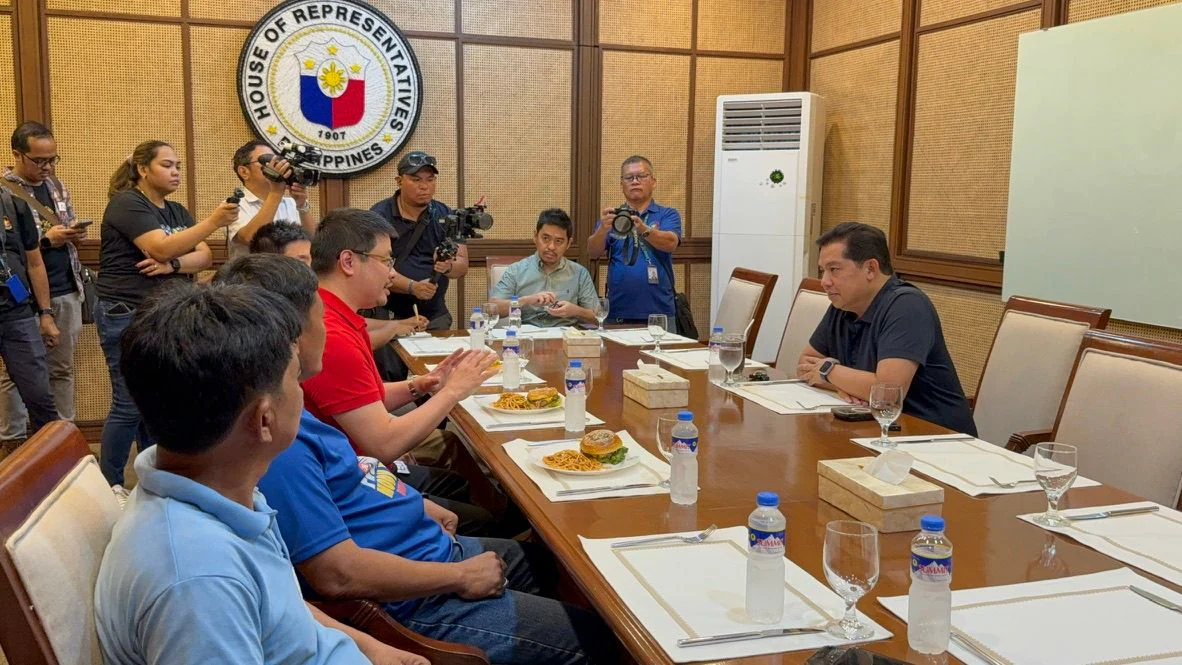
This achievement comes with strong government backing. House Speaker Martin Romualdez and the Philippine Congress recognize Francisco Motors not only as a national icon since 1947, but also as a cornerstone of the country’s clean mobility revolution.
The deployment includes the Francisco Passenger Jeepney (FPJ), PINOY Transporter, and the H-Trike, and is being executed in partnership with Space AI Nigeria Ltd, with diplomatic support from Philippine foreign missions in Abuja and Lagos.
Key officials in attendance during the signing included:
-
DTI-BOI Undersecretary Perry Rodolfo, who pushed for zero tariff treatment on exports
-
PhilExport President & CEO Sergio Ortiz-Luis, Jr.
-
PCCI President Nina Mangio
-
Ambassador Mersole Mellejor (Philippine Embassy, Abuja)
-
Consul Emmanuel Akpakwu (Philippine Consulate, Lagos)
-
Commissioner Barrister Omale Omale (Benue State, Nigeria)
-
Along with top Philippine and Nigerian officials from both public and private sectors
The high-level gathering underscored a shared commitment to climate-resilient infrastructure, transport equity, and cross-border technology transfer.
Camarines Norte: Home Base for Global Operations
Fueling this expansion is the newly approved Francisco Motors Special Economic Zone in Camarines Norte, sanctioned by the PEZA Board under DTI Secretary Cris Roque and PEZA Director General Tereso Panga.
Supported by Governor Ricarte Padilla and Mayor Ariel Non, this eco-industrial hub will centralize production, assembly, and export operations for electric and hydrogen vehicles. It will also host international technology partners, including:
-
NextGen NRG of Australia – advancing hydrogen fuel cell systems
-
German electric drivetrain engineers – co-locating for integrated R&D and deployment
A Family Legacy, A Global Purpose
Founded in 1947 by Jorge Francisco and his brothers, Francisco Motors began by transforming military surplus jeeps into what became the Filipino jeepney—a cultural symbol of resilience and ingenuity.
Now led by Chairman Elmer Francisco and President & CEO Dominic Francisco, the company is redefining that legacy for the 21st century with electric drivetrains and hydrogen fuel cells.
“Our family has always built vehicles to move Filipinos,” said Chairman Elmer Francisco. “Today, we build to move the world—cleanly, proudly, and powerfully.”
Vehicles for Africa
-
FPJ (Francisco Passenger Jeepney): All-electric, heritage-inspired, emissions-free
-
PINOY Transporter: High-roof, high-capacity, comfort-focused model
-
H-Trike: Tricycle powered by hybrid battery and hydrogen fuel cells, using water as fuel
All units are 100% Filipino-made, using local materials, talent, and design—adapted for scalability across developing markets.
Benue State: The First Stop
Benue State will host the pilot deployment, with Space AI Nigeria Ltd spearheading local implementation. The program includes:
-
Charging and hydrogen refueling stations
-
Digital fare and ticketing systems
-
Local assembly and training hubs
-
Inclusive financing inspired by the Philippine boundary-hulog system—empowering operators to eventually own their vehicles
JEEPNEY.io: The Digital Backbone
Powering the platform is JEEPNEY.io, Francisco Motors’ integrated digital ecosystem, featuring:
-
e-Wallets with secured digital IDs
-
Tokenized payment systems
-
Fleet management & aftersales tools
-
Spare parts & inventory systems
-
Real-time ratings, feedback, and incentivization
This ensures transparency, efficiency, and inclusivity for drivers, operators, and passengers alike.
The Future Runs on Filipino Excellence
From the workshops of Las Piñas to the roads of Africa, Francisco Motors proves that Filipino-made vehicles are not only world-class, but also vital for the future of sustainable transport.
This time, the jeepney doesn’t just move people—it moves nations. And it doesn’t run on fuel.
It runs on Filipino vision, values, and victory.


